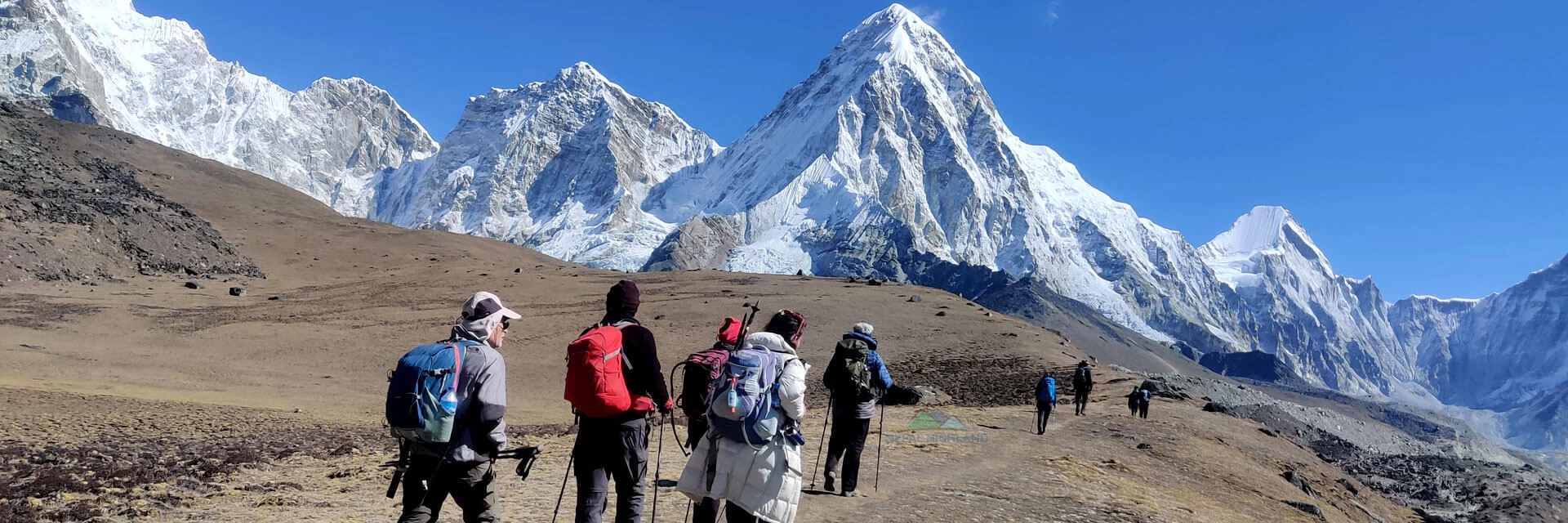

Beginner’s Guide to Safe and Enjoyable Trekking
Trekking is one of the most rewarding outdoor activities. It lets you explore nature, enjoy breathtaking landscapes, and challenge yourself physically and mentally. For beginners, trekking can feel overwhelming. Choosing the right trail, preparing gear, and staying safe are essential. This guide will help you enjoy your first trek with confidence.
Why Trekking is Worth Trying
Trekking offers more than just adventure. It improves your fitness, reduces stress, and reconnects you with nature. Walking through forests, mountains, and valleys allows you to experience life at a slower pace. You can meet locals, see wildlife, and witness stunning sunrises and sunsets. For beginners, trekking is a chance to learn patience, endurance, and self-reliance.
Choosing the Right Trek
As a beginner, choosing a suitable trek is crucial. Look for trails that are:
-
Short in distance – start with 1–5 days treks.
-
Moderate in difficulty – avoid high-altitude treks at first.
-
Accessible – choose locations with nearby roads or villages.
Popular beginner-friendly treks in Nepal include the Ghorepani Poon Hill Trek, Everest View Trek, and Langtang Valley Trek. Research trails online and read reviews from other trekkers.
Essential Trekking Gear
Having the right gear ensures comfort and safety. Beginners should focus on:
-
Footwear: Sturdy trekking shoes or boots.
-
Clothing: Layered clothing for changing weather.
-
Backpack: Lightweight with essentials only.
-
Water bottle: Stay hydrated at all times.
-
Navigation tools: Maps or GPS apps.
-
First aid kit: Bandages, painkillers, and medicines for altitude sickness.
Don’t overpack. Bring only what is necessary to keep your load light and comfortable.
Safety Tips for Beginners
Safety is key to enjoying trekking. Remember these tips:
-
Plan ahead: Know the trail, weather, and difficulty.
-
Go with a guide or group: Especially in unfamiliar regions.
-
Stay hydrated: Drink water regularly.
-
Acclimatize: Avoid climbing too fast at higher altitudes.
-
Respect nature: Follow trails and avoid littering.
-
Listen to your body: Take breaks and rest if needed.
These simple precautions prevent accidents and ensure a stress-free trekking experience.
Nutrition and Fitness Preparation
Before trekking, improve your fitness. Walking, jogging, and light strength training help prepare your body. Eating balanced meals with carbs, proteins, and healthy fats ensures energy on the trail. Snacks like nuts, energy bars, and dried fruits are ideal for trekking.
Making Trekking Enjoyable
Trekking is not just about reaching the destination. Enjoy the journey:
- Observe wildlife and plants.
- Take photos but avoid disturbing nature.
- Interact with locals and learn about their culture.
- Keep a trekking journal to record memories.
These small actions make your trek more meaningful and memorable.
Final Thoughts
Trekking is a beautiful way to explore nature and challenge yourself. Beginners don’t need to climb the highest peaks immediately. Start small, plan carefully, and prioritize safety. With the right preparation, your trekking experience will be safe, enjoyable, and unforgettable.
